tahiti-honeymoon-spvsouth-pacific-vacations-encinitas-honeymoonssouth-pacific-vacations-hawaii-honeymoonssouth-pacific-vacations-cook-islands-honeymoonsFiji-South-Pacific-Vacation-Encinitas

French Polynesia Inter Island Flights Made Easy

French Polynesia Inter Island Flights Made Easy

Your first view of Bora Bora’s lagoon should feel like the beginning of a honeymoon, not the end of a complicated travel day. French Polynesia inter island flights make it possible to pair iconic islands, private motus, and remote atolls in one extraordinary vacation, but the best itineraries are built around the flight map from the start.

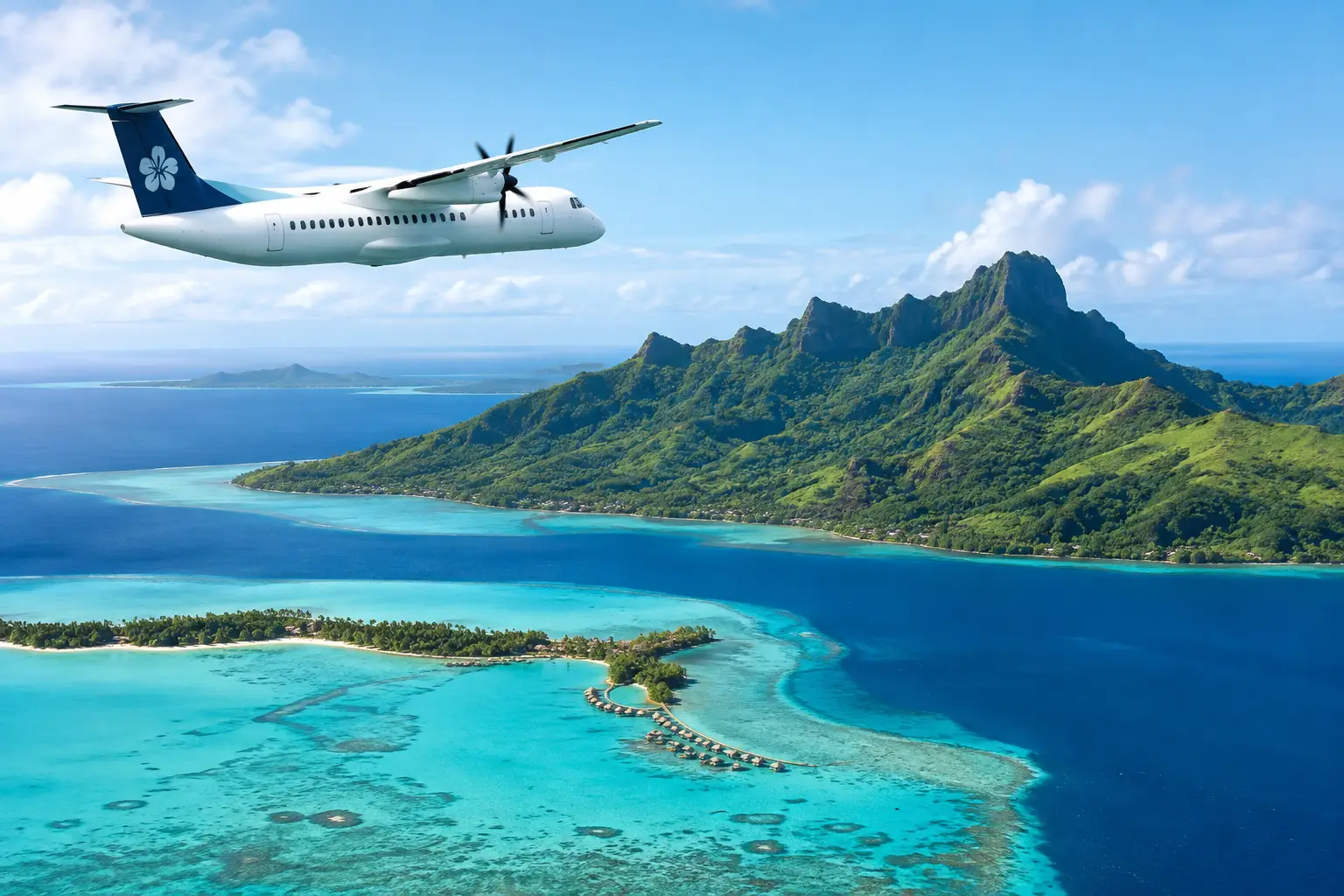
For couples who have dreamed of an overwater bungalow in Bora Bora, a garden bungalow in Moorea, or a serene escape in Taha’a, local air travel is the thread that ties the experience together. With thoughtful timing, the journey between islands becomes part of the romance: small aircraft lifting over bright lagoons, volcanic peaks, and ribbons of reef that seem painted across the sea.

How French Polynesia Inter Island Flights Work

Most island flights begin or connect through Tahiti’s Faa’a International Airport near Papeete. After arriving from the United States, travelers typically transition from their international carrier to a domestic flight operated within French Polynesia. Bora Bora, Raiatea, Huahine, Rangiroa, and other islands are connected by scheduled service, while some more remote destinations have fewer weekly departures.

That hub-and-spoke pattern matters when choosing an itinerary. A route that looks close on a map may still require a connection in Tahiti. This is not a reason to avoid combining islands. It simply means the itinerary should be designed around actual flight schedules rather than geography alone.

Moorea is the notable exception. It is just across the Sea of Mo’orea from Tahiti and is often reached by ferry rather than air. For many couples, arriving in Tahiti and continuing to Moorea by ferry is an easy, scenic start to the trip. It can also make sense to save Moorea for the final nights, especially when you want to be close to the international airport before flying home.

Flight times are wonderfully short once you are in the islands. Tahiti to Bora Bora is roughly 50 minutes, while flights to Huahine and Raiatea are even shorter. Yet a short flight still involves hotel transfers, check-in, baggage collection, and, on certain islands, a boat ride to the resort. Plan for the whole movement day, not just the time in the air.

The Island Pairings That Feel Effortless

The right combination depends on the kind of escape you picture when you say paradise. Bora Bora is the celebrated grand finale – a lagoon of remarkable shades of blue, dramatic Mount Otemanu views, and legendary overwater bungalow stays. It pairs beautifully with an island that offers a different pace.

Moorea and Bora Bora

This is a favorite first-time French Polynesia itinerary. Moorea brings lush mountains, pineapple-scented valleys, intimate beaches, and an inviting Polynesian atmosphere. Bora Bora follows with polished luxury, private motu resorts, and the kind of lagoon scenery that stays with you long after the trip is over.

A typical arrangement begins with a few nights in Moorea, followed by Bora Bora for the most indulgent portion of the honeymoon. Couples may choose a beach bungalow in Moorea and reserve their overwater bungalow splurge for Bora Bora. It is a smart way to experience two distinct islands while keeping the overall package investment balanced.

Taha’a or Raiatea and Bora Bora

For travelers who want quieter luxury, Taha’a is a beautiful counterpoint to Bora Bora. Often called the Vanilla Island, it is known for fragrant plantations, coral gardens, and peaceful lagoon living. Travelers generally fly to Raiatea and continue by boat transfer to resorts on Taha’a, so the connection is more involved but exceptionally rewarding.

Raiatea itself appeals to couples interested in Polynesian history, sailing, and a more local rhythm. Pair it with Bora Bora when you want both cultural depth and the classic, cinematic overwater bungalow experience.

Huahine and the Tuamotu Islands

Huahine feels wonderfully unhurried, with archaeological sites, emerald landscapes, and a quieter version of the Society Islands. The Tuamotus, including Rangiroa and Tikehau, trade green mountains for vast lagoons, pink-sand beaches, and exceptional snorkeling or diving. These combinations suit travelers who are happy to exchange a bit of convenience for a more remote, soulful experience.

Because Tuamotu flight schedules can be less frequent, these itineraries deserve careful planning. A well-built package accounts for the right number of nights on each island, boat transfers, and enough flexibility to avoid stressful same-day connections.

Give Your Arrival Day Room to Breathe

The most common planning mistake is treating an international arrival in Tahiti as if it guarantees an immediate onward flight to every island. Depending on your arrival time, the domestic schedule, and operational conditions, an overnight in Tahiti may be the more relaxed choice. For honeymooners especially, there is real value in beginning rested rather than watching the clock after a long overnight journey.

If your schedule does allow for a same-day connection, leave a generous buffer between flights. International arrival procedures, baggage handling, and the transfer to domestic check-in all take time. Your travel specialist can coordinate the itinerary around workable connection windows instead of relying on a tight, self-assembled plan.

The same principle applies on departure. If you are flying home from Tahiti after time in Bora Bora, Taha’a, Rangiroa, or another outer island, an overnight near Papeete may be the most comfortable protection against a missed long-haul flight. It may not sound glamorous, but it can preserve the ease and joy of the entire vacation.

Baggage, Transfers, and the Details That Matter

Domestic baggage allowances can differ from the international allowance included with your flights from the United States. Allowances, excess-baggage charges, and rules for specialty equipment may change, so confirm the current terms before packing. This is especially relevant for divers, photographers, and couples bringing formal wedding attire.

Pack a small carry-on with essentials for the first day at the resort: swimwear, medications, sunscreen, a change of clothes, and any items you would not want separated from. On islands where the resort is reached by boat, luggage may travel on the same transfer or be handled separately by the resort team. Either way, keeping the immediate essentials with you helps the first lagoon-side afternoon begin smoothly.

Resort transfers are also part of the experience. In Bora Bora, many resorts meet arriving guests at the airport on the motu and whisk them across the lagoon by boat. On Taha’a, the boat ride from Raiatea is often a gorgeous introduction to the island. These transfers should be arranged in advance and matched to your confirmed flight details, particularly if you are arriving late in the day.

Why a Flight-Inclusive Package Is Often the Better Value

Booking each island separately can appear flexible at first, but the details add up quickly: domestic air segments, inter-island timing, airport-to-ferry coordination, resort boat transfers, meals, promotions, and room categories. A package built by a French Polynesia specialist puts those pieces into one intentional flow.

That does not mean every couple should book the same route. Some want seven nights between Moorea and Bora Bora. Others want a three-island celebration with Huahine, Taha’a, and Bora Bora. Some prioritize an all-inclusive-style meal plan, while others want to leave room for local dining. The right itinerary is the one that protects time in your bungalow and on the lagoon, rather than adding islands simply to check them off.

At South Pacific Vacations, thoughtfully curated packages can combine international airfare, French Polynesia inter island flights, resort accommodations, transfers, meals, and special honeymoon touches. It also gives couples one knowledgeable point of contact when a schedule adjustment affects the next piece of the journey.

A Few Smart Timing Choices

Stay at least three nights on Bora Bora if it is a centerpiece of your trip. After the travel day and resort check-in, two nights can feel surprisingly brief. Four or more nights are ideal for couples who want time for a lagoon cruise, spa treatment, private beach picnic, or simply slow mornings on the deck of an overwater bungalow.

Avoid changing islands every two nights unless you genuinely enjoy being on the move. French Polynesia rewards lingering. A two-island itinerary often feels richer than trying to fit four islands into one week.

Finally, save space in the schedule for weather and island time. Flights are generally well organized, but conditions and operational changes can occur in an island nation spread over a vast stretch of ocean. A little flexibility is not a compromise – it is what lets the journey retain its sense of calm.

The most memorable French Polynesia trip is not measured by how many airports you pass through. It is measured by the mornings you spend together above a clear lagoon, with nowhere to be except the next beautiful island.
7 Best Romantic Resorts in Moorea for Couples

7 Best Romantic Resorts in Moorea for Couples

Moorea has a way of making a romantic trip feel wonderfully private, even before you check in. The island’s jagged green peaks rise directly behind calm turquoise lagoons, while white-sand beaches and quiet motus create the kind of setting couples picture when they dream of French Polynesia. Choosing among the best romantic resorts in Moorea comes down to the experience you want most: iconic overwater bungalow mornings, a polished beach-resort atmosphere, or a smaller retreat that feels removed from the world.

For honeymooners and couples celebrating an anniversary, Moorea is also an exceptionally rewarding addition to a Tahiti vacation. It is a short ferry ride from Tahiti, yet it feels distinctly more relaxed and intimate. That combination makes it ideal for a first night in paradise, a weeklong escape, or a carefully planned multi-island itinerary with Bora Bora, Taha’a, or Huahine.

The Best Romantic Resorts in Moorea

Hilton Moorea Lagoon Resort & Spa

For many couples, Hilton Moorea Lagoon Resort & Spa is the clearest answer when the dream includes an overwater bungalow. Set between Cook’s Bay and Opunohu Bay, the resort occupies one of Moorea’s most dramatic locations, with a blue lagoon in front and lush volcanic mountains behind it.

Its overwater bungalows are especially appealing for couples who want direct lagoon access, a private terrace, and the simple pleasure of watching reef fish from the glass floor panel. Garden and beach bungalows provide a beautiful alternative for travelers who prefer more greenery or a pool. The property also offers a spa, multiple dining settings, and a beach that encourages unhurried afternoons together.

This is an excellent choice for a honeymoon or milestone anniversary when you want a recognized luxury resort, memorable accommodation, and a central base for lagoon excursions. The trade-off is that its popular atmosphere can feel livelier than a tiny boutique hotel, particularly during peak travel dates. Booking an overwater bungalow and arranging private experiences in advance helps create the more secluded stay many couples want.

Sofitel Kia Ora Moorea Beach Resort

Sofitel Kia Ora Moorea Beach Resort pairs French Polynesian beauty with a refined, elegant mood. It sits on one of Moorea’s most admired stretches of sand, facing a lagoon whose changing shades of blue seem almost unreal at midday. For couples who care as much about the beach as the bungalow, this setting is a major advantage.

The resort’s overwater bungalows are romantic classics, while luxury garden bungalows and beachfront accommodations offer privacy, tropical landscaping, and a different way to enjoy the island. Days can be as active or quiet as you wish: snorkel from the beach, reserve a treatment at the spa, or settle in for a long dinner with the lagoon in view.

Sofitel is particularly well suited to couples seeking a polished, adults-oriented feel without leaving the convenience of Moorea. It is also a strong option for a proposal or intimate destination wedding, thanks to the photogenic beachfront setting. Because this is one of the island’s most sought-after resorts, travelers with specific room preferences should be flexible with dates or plan well ahead.

Manava Beach Resort & Spa Moorea

Manava Beach Resort & Spa Moorea offers a warm Polynesian style with a practical location near Maharepa, where couples can easily reach small shops, restaurants, and island services. That access is valuable for travelers who enjoy exploring independently rather than spending every meal and every hour at the resort.

Accommodation includes overwater bungalows, beach bungalows, garden rooms, and larger options that can suit couples traveling with friends or family before continuing on to a more private island stay. The overwater bungalows deliver the quintessential lagoon experience, while the infinity pool and waterfront create a relaxed setting for sunset cocktails and easy-going days.

Manava is often a smart romantic choice for couples who want a well-rounded Moorea resort and appreciate having the island close at hand. It may not feel as secluded as a property set farther from town, but that is precisely what makes it appealing for travelers who want to combine romance with local dining, a rental-car day, or a visit to nearby Belvedere Lookout.

Cook’s Bay Hotel & Suites

Couples who favor contemporary design and a more intimate scale should consider Cook’s Bay Hotel & Suites. Located on the edge of the island’s spectacular Cook’s Bay, this boutique-style property trades the traditional overwater bungalow concept for spacious suites, mountain-and-bay views, and an atmosphere that feels quieter and more residential.

It is especially attractive for couples who want room to spread out, perhaps with a kitchenette, while still waking up to one of Moorea’s most cinematic landscapes. Cook’s Bay itself is less about a broad swimming beach and more about the extraordinary view: steep emerald slopes, sailing boats, and calm water that changes character with the light.

This is an inspired choice for repeat visitors to French Polynesia or couples who value modern comfort over checking the overwater-bungalow box. Consider pairing it with a few nights at an overwater resort elsewhere in the itinerary if you want both experiences. A private lagoon tour, a picnic on a motu, or a sunset cruise adds the romantic island moments that make the stay feel truly special.

Niu Beach Hotel Moorea

Niu Beach Hotel Moorea is a smaller, style-conscious option for couples who want the ease of a beachfront stay without the scale of a large international resort. Its appeal is in the details: a relaxed setting, a lovely stretch of lagoon, and a more personal rhythm than travelers may find at bigger properties.

For a short romantic escape, the property can be an appealing alternative to a full-service resort. It works particularly well for couples who plan to spend their days touring Moorea by car, snorkeling, visiting local food trucks, and returning to a tranquil beach rather than relying on extensive on-site facilities.

The key consideration is amenities. A boutique hotel may offer fewer restaurants, organized activities, and resort services than the Hilton, Sofitel, or Manava. For some travelers, that means less convenience. For others, it is the very reason to stay – more space to experience Moorea at a slower, more local pace.

Hotel Les Tipaniers

Hotel Les Tipaniers offers a relaxed, distinctly Polynesian beach-hotel experience near Hauru Point. Its beachfront location and casual character make it a lovely fit for couples who would rather put more of their vacation budget toward experiences, island-hopping, or a longer stay than toward a luxury overwater bungalow.

This is not the resort to choose for a sleek, high-end honeymoon atmosphere. It is a better fit for travelers who value an unpretentious beach, a friendly ambiance, and proximity to some of Moorea’s excellent snorkeling and lagoon activities. Beach bungalows provide a simple, charming base for couples who plan to be out on the water as much as possible.

For the right couple, Les Tipaniers can be deeply romantic precisely because it is uncomplicated. Add a private boat excursion, a lagoon-side dinner, and a rental car for a day of exploring pineapple fields and scenic viewpoints, and the island does the rest.

Moorea Beach Lodge

Moorea Beach Lodge is another intimate choice for couples seeking a quieter, more personal alternative to a large resort. With a small number of rooms and bungalows near a peaceful beach, it has the feeling of a hidden retreat rather than a full-scale hotel complex.

The experience here is best for independent, low-key romantics. Expect fewer bells and whistles, but more opportunities to read under a palm tree, take a morning swim before breakfast, and enjoy the pleasure of having very little on the agenda. It is especially appealing as part of a longer French Polynesia itinerary where you may have already enjoyed a more elaborate resort stay on Bora Bora or Taha’a.

How to Choose the Right Moorea Resort for Your Trip

The best romantic resort is not always the one with the most famous name. If your vision centers on stepping from your bungalow into a clear lagoon, Hilton Moorea and Sofitel Kia Ora are the strongest starting points. If you want overwater accommodations with easy access to shops and restaurants, Manava offers an appealing balance.

For a quieter, more design-forward or independent stay, Cook’s Bay Hotel & Suites, Niu Beach Hotel Moorea, Moorea Beach Lodge, and Hotel Les Tipaniers deserve a closer look. These properties can also help create a more balanced vacation budget, especially if you plan to splurge on Bora Bora, add private excursions, or extend your time in French Polynesia.

Make Moorea Part of the Romance, Not Just a Stopover

Moorea is easy to reach from Tahiti, but it should never be treated as merely a place to pass through. Give yourselves enough time for a lagoon cruise with rays and sharks, a day exploring Cook’s Bay and Opunohu Bay, a couples massage, and at least one evening when there is nowhere to be except together by the water.

A well-designed package can coordinate international flights, inter-island transfers, accommodations, meals, and honeymoon amenities while preserving the freedom to enjoy the island. South Pacific Vacations can help match your preferred bungalow, budget, and travel style with the Moorea resort that makes your celebration feel personal from the moment you arrive.

Overwater Bungalow Versus Beach Villa Compared

Overwater Bungalow Versus Beach Villa Compared

The decision often happens the moment you picture waking up in Bora Bora: do you want to step straight from your deck into a crystal-clear lagoon, or open your doors to soft sand, palms, and a private stretch of shore? The overwater bungalow versus beach villa choice shapes more than your room. It changes the rhythm, privacy, views, budget, and even the kinds of memories you bring home from a South Pacific honeymoon or romantic escape.

For many couples, an overwater bungalow is the iconic splurge they have dreamed about for years. For others, a beach villa offers more space, easier ocean access, and a beautifully grounded sense of island life. Neither is automatically better. The right choice depends on how you like to travel, where you are going, and how you want your days in paradise to feel.

Overwater Bungalow Versus Beach Villa: The Essential Difference

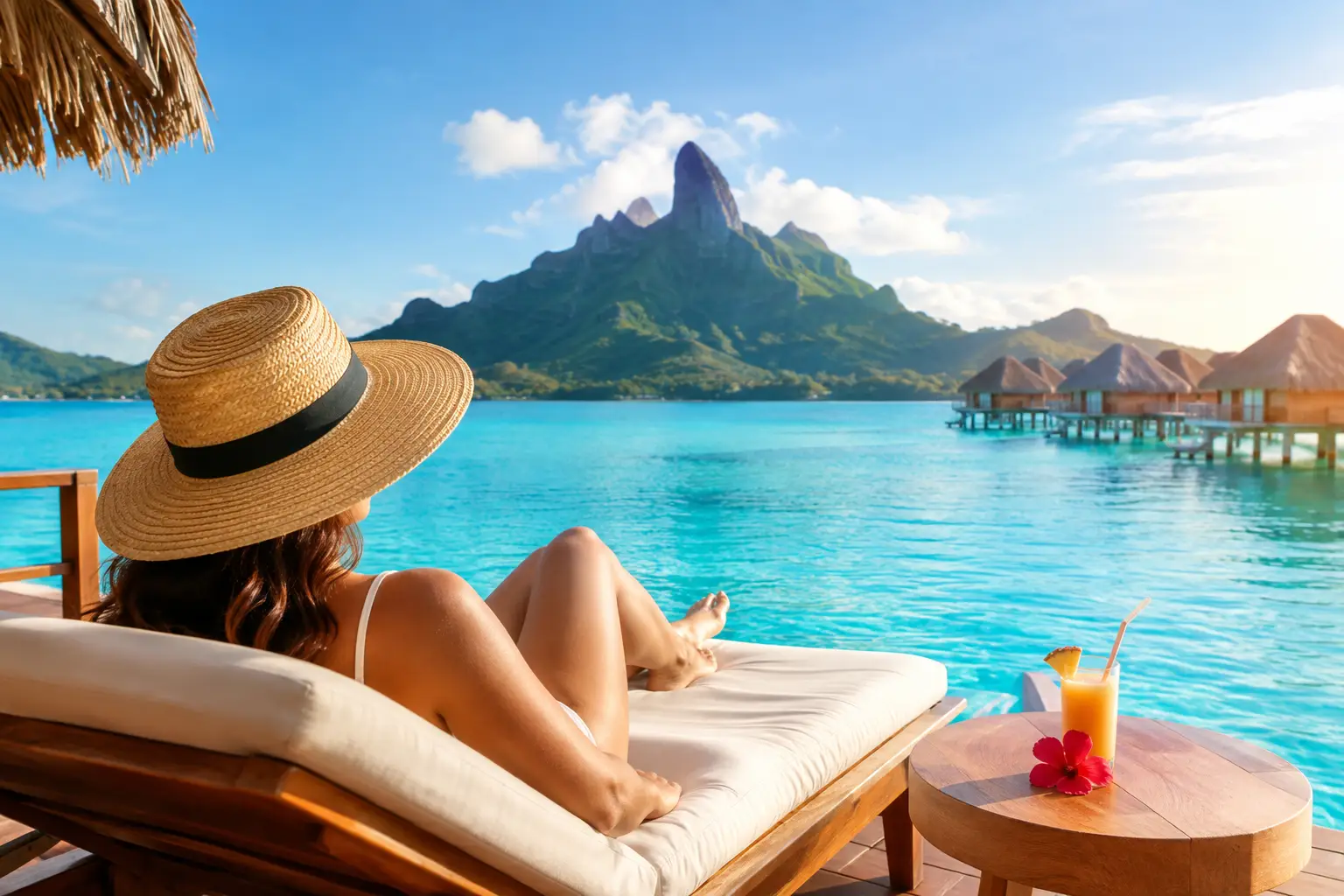
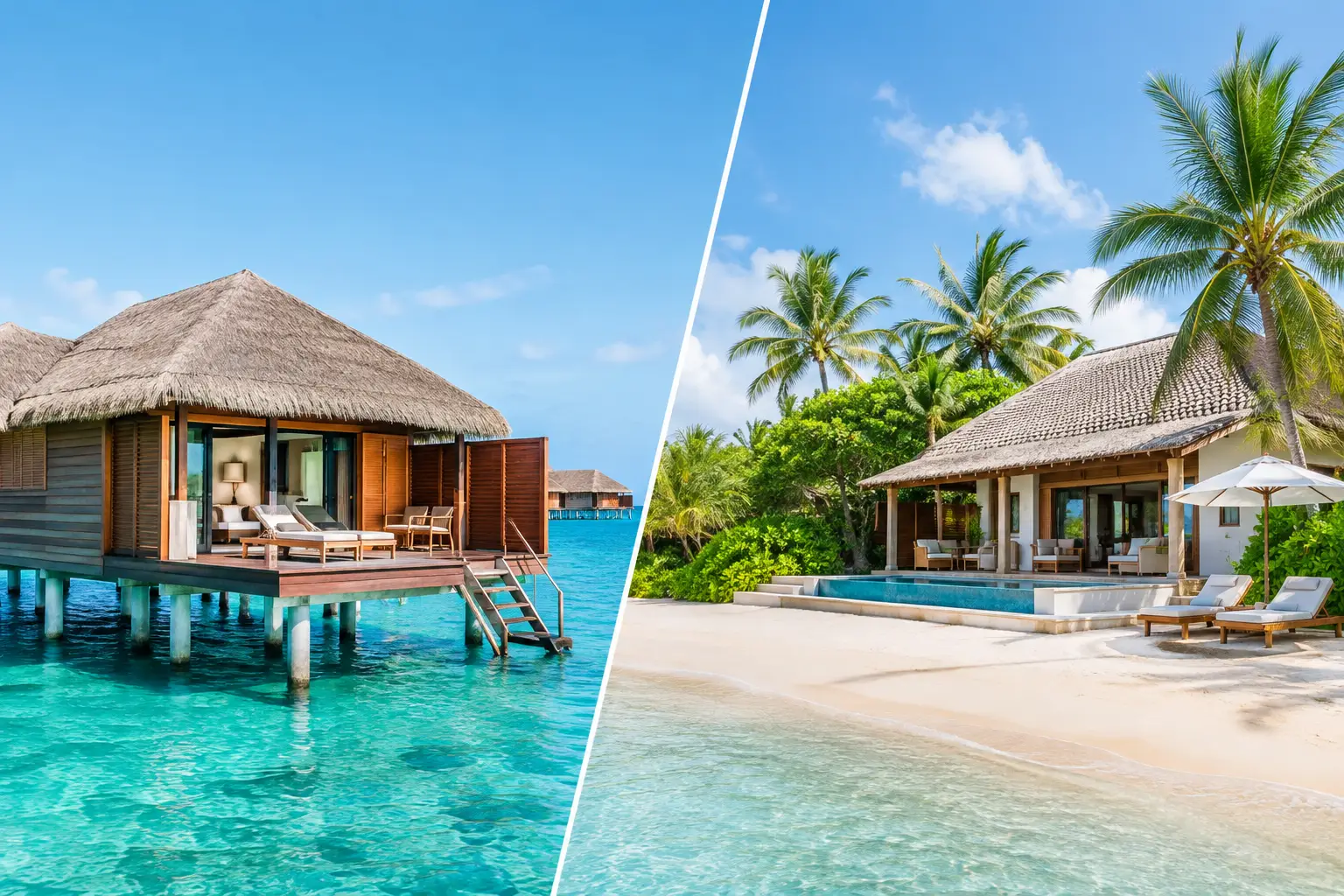
An overwater bungalow sits on stilts above a lagoon or ocean, usually reached by a wooden boardwalk. In French Polynesia, these accommodations often feature glass viewing panels, private decks, direct ladder access to the water, and sweeping views toward a dramatic mountain or open horizon. They are designed to make the water the center of your stay.

A beach villa, beach bungalow, or beachfront suite is positioned along the shore, typically just steps from the sand. It may offer a garden, plunge pool, outdoor shower, hammock, or a covered terrace facing the beach. Some are compact and traditionally Polynesian in style; others are expansive villas with separate living areas and generous outdoor space.

The practical difference is simple: overwater bungalows deliver the postcard fantasy of living above a lagoon, while beach villas offer a more private connection to the island itself. The emotional difference can be just as meaningful.

Why Couples Love an Overwater Bungalow

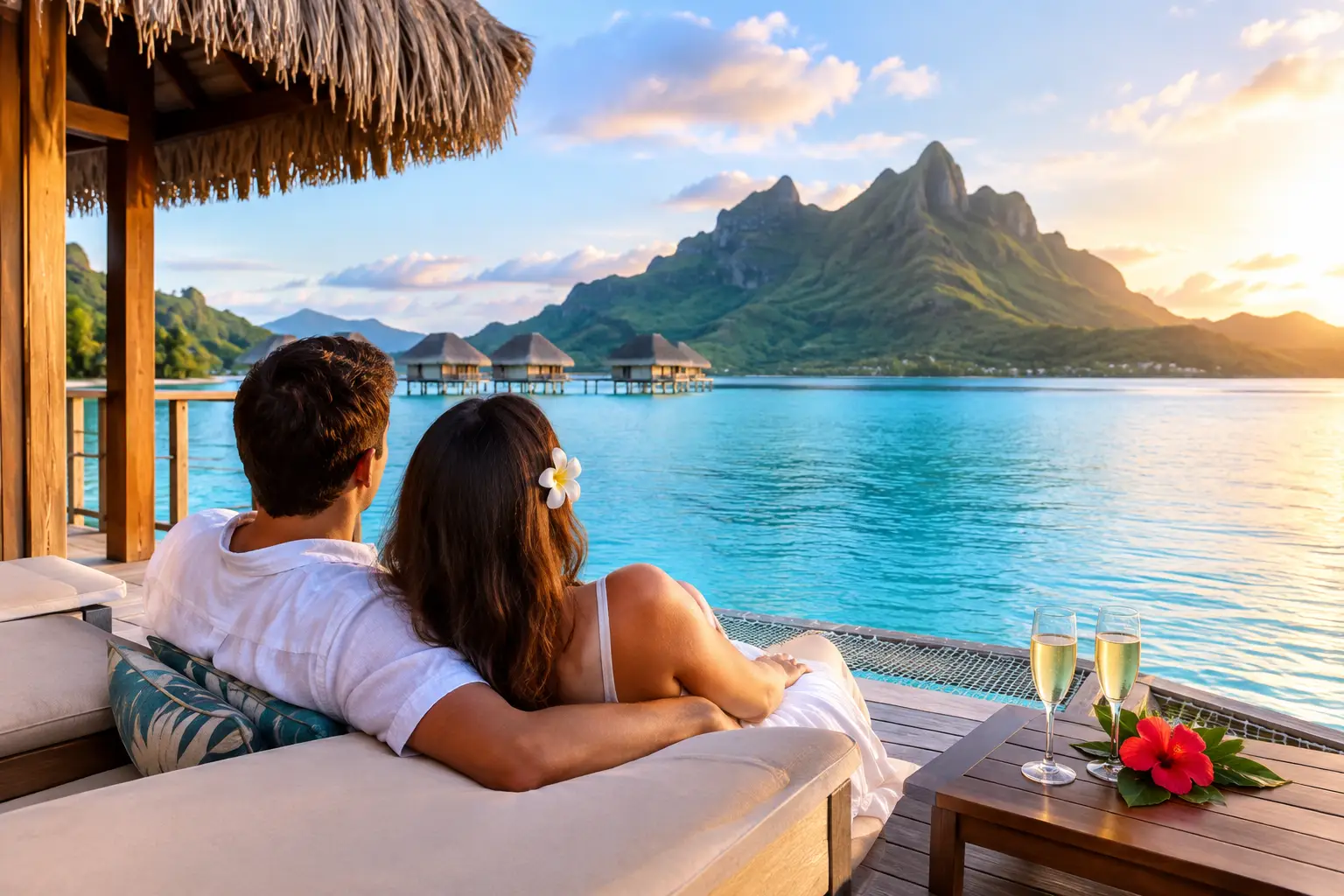
There is a reason overwater stays are synonymous with Tahiti and Bora Bora. Few travel experiences compare with slipping into warm lagoon water from your own deck before breakfast, watching reef fish through a glass floor panel, or sharing Champagne as the sun sets behind Mount Otemanu.

Overwater bungalows feel celebratory. They are particularly popular for honeymoons, milestone anniversaries, proposals, and once-in-a-lifetime first trips to French Polynesia. Resorts in Bora Bora, Moorea, Taha’a, and the Tuamotu Islands have turned this accommodation style into an art form, from intimate lagoon bungalows to lavish villas with private pools and personal butler service.

They also provide an exceptional sense of visual drama. Your outlook is water in every direction, and the changing color of the lagoon becomes part of the day. Mornings can be still and pearly blue; afternoons turn brilliant turquoise; evenings soften into a quiet, candlelit calm.

That said, privacy varies by resort and bungalow category. Some bungalows face open water or a distant motu and feel wonderfully secluded. Others sit along boardwalks where neighboring decks are visible. Couples who value privacy should look beyond the words “overwater bungalow” and consider its orientation, distance from adjacent units, view category, and whether it includes a plunge pool or a more secluded sun deck.

The trade-offs of staying overwater

The signature experience usually comes with a higher nightly price, especially in Bora Bora. Overwater bungalows can also involve a longer walk to the main beach, pool, restaurant, or lobby. That may be a welcome chance to stroll hand in hand, but it is worth considering if mobility is a concern.

Water conditions matter, too. Lagoon bungalows are usually ideal for easy swimming and snorkeling, while ocean-facing units may be exposed to waves or deeper water. In some locations, the ladder into the water is the main entry point, which is magical for confident swimmers but less convenient for guests who simply want to wander into the sea from a sandy shoreline.

The Case for a Beach Villa

A beach villa is not a lesser choice. For many travelers, it is the more romantic and relaxing one. You may wake to birds in the palms, walk across sand for a sunrise swim, and return to an outdoor shower or shaded terrace surrounded by tropical gardens. Rather than hovering above the lagoon, you feel immersed in the island.

Beach villas are often more spacious for the price than overwater bungalows. This can make them an especially smart option for couples who want to enjoy a longer stay, add a second island, or reserve part of the vacation budget for lagoon excursions, a couples massage, a private motu picnic, or fine dining.

They are also exceptionally practical for beach lovers. You can settle into a lounger on the sand, take an easy walk along the shore, and move between your room and the resort’s beach without navigating a long pier. If you envision lazy afternoons with your toes in the sand more than you envision jumping from a deck, a beach villa may suit you perfectly.

More privacy, more island atmosphere

Beach accommodations commonly offer natural screening through lush landscaping. A garden pool villa or an end-unit beach bungalow can feel remarkably private, particularly at boutique resorts on Taha’a, Huahine, Raiatea, the Cook Islands, or Fiji.

The view may not always be as uninterrupted as it is from an overwater bungalow. Palm trees, vegetation, and the beach itself are part of the scene. But for couples who prefer a feeling of refuge rather than being on display over the lagoon, that can be a benefit rather than a compromise.

Beach villas can also be a stronger fit for destination wedding groups and families. They tend to offer easier access, more flexible layouts, and room configurations that work well when travelers are not spending every moment as a couple. A bride and groom may still choose an overwater bungalow for their own stay while guests enjoy beachfront accommodations nearby.

Which Is Better for a Honeymoon?

For a classic Bora Bora honeymoon, an overwater bungalow is often worth prioritizing, even if only for part of the trip. It is the accommodation that many couples have pictured since they began imagining the South Pacific, and it delivers a remarkable sense of occasion.

But the best honeymoon itinerary does not have to mean booking overwater accommodations every night. A thoughtful combination can create both value and variety. For example, couples may begin in a beachfront villa on Moorea, where mountains, beaches, and local island experiences are close at hand, then finish with several unforgettable nights in an overwater bungalow in Bora Bora. Another appealing option is to pair a beach bungalow on a quiet island such as Taha’a or Huahine with an overwater stay where the lagoon snorkeling is especially spectacular.

This approach allows you to enjoy the iconic experience without placing the entire trip budget into one accommodation category. It can also make the move into your final overwater bungalow feel even more special.

How Destination Changes the Answer

In Bora Bora, the overwater bungalow is a natural match for the destination’s luminous lagoon and legendary volcanic views. Here, choosing the right resort and view category matters enormously. A mountain-view bungalow, lagoon-view bungalow, or horizon-facing villa can each create a very different stay.

In Moorea, a beach villa can be especially compelling because the island offers a fuller blend of lagoon beauty, lush mountains, cultural experiences, and easy access to restaurants and excursions. You may find that a beachfront setting lets you enjoy both resort relaxation and island exploration with less emphasis on staying inside your room category.

In the Tuamotu Islands, where coral reefs and clear water take center stage, an overwater bungalow can be wonderful, but beach accommodations often place you just as close to the natural beauty. In Fiji and the Cook Islands, beachfront bure and villas can offer exceptional privacy, local character, and a more relaxed sense of barefoot luxury.

Questions to Ask Before You Choose

Before reserving, consider what you will actually do each day. If you picture snorkeling directly from your deck, lingering over a water view, and celebrating a major occasion, overwater may be your perfect match. If you dream of sand beneath your feet, tropical gardens, extra room, and a more private hideaway, a beach villa deserves serious consideration.

Also ask about the exact location of the room, not simply its category. Is it close to the resort’s main facilities? Does it face the sunrise, sunset, mountain, beach, or open ocean? Is there direct lagoon access? Are meals, transfers, airfare, resort credits, or honeymoon amenities included in the package? These details can make a meaningful difference in both value and experience.

A South Pacific vacation is too special to choose based on a single photo. South Pacific Vacations can help match your preferred pace, budget, island combination, and celebration to the accommodation that feels made for you. Whether your perfect morning begins above a glowing lagoon or beside a quiet ribbon of sand, choose the setting that makes you want to stay just a little longer.

How to Plan a Tahiti Multi Island Honeymoon

How to Plan a Tahiti Multi Island Honeymoon

A Tahiti honeymoon should not feel like a race across a map. It should begin with that first view of the lagoon from your plane window, then unfold at an unhurried pace: breakfast over the water, a private motu picnic, sunset from your deck, and enough quiet time to remember why you came. To plan a Tahiti multi island honeymoon well, choose a combination that gives you contrast without turning precious vacation days into transfer days.

French Polynesia is vast, and each island creates a different kind of romance. Bora Bora is legendary for its luminous lagoon and overwater bungalows. Moorea feels lush, dramatic, and close to Tahiti. Taha’a offers vanilla-scented tranquility and a more secluded rhythm. Huahine and Raiatea bring culture, character, and a sense of the old Polynesia. The best itinerary is not necessarily the one with the most islands. It is the one that feels beautifully balanced for the two of you.

Start With the Island Experience You Want

Before selecting resorts or looking at flight schedules, decide what you want your honeymoon to feel like. Couples who have dreamed for years of an overwater bungalow above a brilliant turquoise lagoon often place Bora Bora at the center of the trip. It is the place for champagne sunsets, lagoon cruises, and the pure indulgence of stepping from your villa directly into the water.

Moorea makes a wonderful first stop after arriving in Tahiti. Its jagged green peaks, pineapple fields, and calm bays feel cinematic, yet the island is easy to reach by a short flight or ferry from Papeete. It can be an especially appealing choice for couples who want a mix of romantic resort time and active days spent snorkeling, hiking, or exploring by scooter.

For a quieter second or third island, consider Taha’a, Huahine, or Raiatea. Taha’a is known for its fragrant vanilla plantations, coral gardens, and intimate luxury resorts. Huahine has a softer, less polished feel, with rich cultural sites and peaceful beaches. Raiatea is ideal for couples drawn to sailing, sacred Polynesian history, and access to nearby Taha’a. These islands are less about being seen and more about disappearing together.

The Tuamotu Islands, particularly Rangiroa and Tikehau, suit couples who want extraordinary snorkeling or diving in an even more remote setting. They are spectacular, but they are not always the best fit for a first-time itinerary with limited nights. The travel is worth it when underwater adventure is a major honeymoon priority.

How Many Islands Belong in a Tahiti Multi Island Honeymoon?

For most couples, two islands over seven to nine nights is the sweet spot. A 10- to 12-night stay can comfortably include three islands, especially when the route is planned around available domestic flights. Anything shorter than a week is usually better as a one-island stay, or perhaps a simple Moorea and Bora Bora pairing.

A practical rule is to give each island at least three nights. Two nights can work as a brief addition, but it often feels rushed once you account for packing, checking out, airport transfers, flights, and settling into a new resort. Bora Bora, in particular, deserves three or four nights if an overwater bungalow is part of your dream. There is no prize for seeing every island when lingering over breakfast on your private deck is the point.

A Classic First-Time Pairing: Moorea and Bora Bora

This is the most popular combination for good reason. Begin in Moorea, where the atmosphere is relaxed and the landscape is wonderfully green. Stay in a beach bungalow or garden villa to leave room in the budget for excursions, then finish in Bora Bora with several nights in an overwater bungalow. The progression feels natural: adventure and discovery first, then complete lagoon-front indulgence.

A More Secluded Pairing: Bora Bora and Taha’a

For couples who want luxury with fewer crowds, Bora Bora and Taha’a create a particularly romantic contrast. Bora Bora delivers the iconic views and glamorous lagoon experience. Taha’a slows the pace with intimate motu settings, exceptional snorkeling, and a more private sense of escape. This itinerary is ideal for honeymooners who would rather have a long, languid lunch by the water than a full schedule of sightseeing.

A Culture-and-Lagoon Itinerary: Huahine, Raiatea, and Bora Bora

With 10 nights or more, Huahine, Raiatea, and Bora Bora can be a meaningful route through the Society Islands. Start with Huahine’s authentic island character, add Raiatea for its sacred marae and sailing culture, then end in Bora Bora. This route asks for more coordination, but it rewards travelers who want more than a resort stay alone.

Build Around Flights and Transfers, Not Just Resort Photos

The beautiful part of French Polynesia is also the logistical part: many resorts sit on private motus, or small islets, reached by boat. Your trip may include an international flight into Papeete, an airport hotel night or onward connection, domestic flights, land transfers, and resort boat transfers. When each piece is timed well, it feels effortless. When it is booked independently without enough attention to schedules, it can eat into the first day of the honeymoon.

International flights from Los Angeles commonly arrive in Tahiti in the evening, which makes an overnight on the main island practical before continuing to Moorea, Bora Bora, or another outer island the next morning. Depending on your flight schedule and resort location, a same-day connection may be possible, but it should be evaluated carefully rather than assumed.

Inter-island flights also do not operate with the frequency of flights between major US cities. Building in sensible connection time matters. So does confirming the transfer policy for each resort, particularly for late arrivals and early departures. A professionally packaged itinerary can include international airfare, inter-island flights, coordinated transfers, accommodations, and selected meals, removing the need to manage several separate reservations while you are still in wedding-planning mode.

Choose Accommodations With a Purpose

An overwater bungalow is unforgettable, but it does not have to be the only accommodation on the trip. In fact, mixing room categories is one of the smartest ways to plan a Tahiti multi island honeymoon that feels luxurious without overspending.

Consider staying in a beach bungalow, garden villa, or pool suite on your first island, then reserving the overwater bungalow for the final stretch in Bora Bora or Taha’a. You still receive the iconic experience, while also enjoying the privacy, direct beach access, or lush tropical setting of a land-based villa. Some couples prefer the extra space and complete seclusion of a beachfront pool villa, especially if they plan to spend afternoons reading, ordering lunch in, and enjoying the property rather than snorkeling directly from their room.

When comparing overwater categories, look beyond the phrase itself. Orientation makes a difference. A mountain-view bungalow can be gorgeous and often offers better value, while a horizon-facing or sunset-facing bungalow may be worth the upgrade for couples who prioritize evening views. Ask about lagoon depth, privacy between decks, sun exposure, and whether the room has direct access to a swimmable reef.

Leave Room for Romance, Not Just Excursions

The South Pacific is made for spontaneous, slow moments. Plan one or two signature experiences on each island, then protect open days. A private lagoon tour with a Polynesian-style picnic, a couples massage, a sunset catamaran cruise, or a dinner on the beach can become the stories you tell for years.

On Moorea, you might pair a lagoon excursion with an inland adventure through the island’s valleys. In Bora Bora, a full-day lagoon tour can reveal coral gardens and quiet motus beyond the resort. In Taha’a, reserve time for the coral garden and a vanilla-focused island visit. If you are divers, Rangiroa’s passes may deserve priority over a more traditional sightseeing itinerary.

Meal plans also deserve attention. Resorts on private motus have limited off-property dining options, so daily breakfast and a half-board plan can offer both convenience and value. On larger islands with nearby restaurants, you may prefer more flexibility. The right choice depends on the resort, how often you expect to leave the property, and whether relaxed, candlelit resort dinners are part of the honeymoon vision.

Plan Early for the Best Value and Best Bungalows

Tahiti is a destination where timing can shape both availability and price. Preferred overwater bungalow categories, honeymoon promotions, and complimentary-night offers can be limited, especially for travel during popular periods. Booking earlier gives you more choices in room location, island pairings, and flight combinations.

Travel seasons involve a trade-off. The drier months generally bring sunnier conditions and stronger demand. The greener months can offer attractive values and quieter resorts, though rain is more likely. French Polynesia is beautiful year-round, but your tolerance for humidity, your budget, and the specific islands you choose should guide the decision.

A specialist can also help identify when a resort’s honeymoon amenities or resort credits add meaningful value rather than simply sounding appealing. A bottle of champagne is lovely. A complimentary dinner, spa treatment, or free night that fits your actual stay can have a much bigger impact on the overall package.

South Pacific Vacations can coordinate the moving pieces into a tailored air-and-resort package, while helping you compare the islands and accommodations that match your priorities. The result should feel personal, not preassembled.

The most romantic Tahiti itinerary leaves you with time to stop checking the clock. Choose fewer islands if that gives you one more sunset from the lagoon, one more lazy morning together, and one more reason to begin your married life exactly where you want to be.

Resort Package Versus Booking Direct for Honeymoons

Resort Package Versus Booking Direct for Honeymoons

A Bora Bora honeymoon can look simple from a distance: reserve an overwater bungalow, book flights, and wait for the lagoon. But a resort package versus booking direct comparison becomes much more meaningful once you factor in inter-island flights, boat transfers, meal plans, special offers, and the details that make a once-in-a-lifetime trip feel effortless rather than pieced together.

For couples traveling from the United States, the best choice is rarely about one booking method being universally better. It is about the kind of escape you want, how many moving parts are involved, and whether the price you see includes the moments you are actually imagining: sunset dinners, a private villa, a flower-strewn arrival, and time to enjoy the water instead of managing logistics.

Resort Package Versus Booking Direct: The Real Difference

Booking direct generally means reserving your room with the resort itself, then arranging airfare, transfers, meals, excursions, and any additional islands separately. It can be a good fit for a traveler who knows the destination well, is staying at one resort, has already found convenient flights, and wants total control over every reservation.

A resort package brings key trip elements together under one itinerary. Depending on the offer, that may include international airfare from a gateway such as Los Angeles, resort accommodations, airport-to-resort transfers, daily breakfast or more comprehensive meal plans, domestic flights, excursions, resort credits, and honeymoon amenities. The appeal is not simply convenience. A thoughtfully built package can align every part of an island vacation around the resort experience you came for.

In French Polynesia, Fiji, and the Cook Islands, that coordination matters. A resort may sit on a private motu reached by boat, a remote Fijian island served by scheduled launch, or an outer island requiring a domestic flight. Booking a beautiful room is only one part of getting there gracefully.

When Booking Direct Makes Sense

Direct booking can be appealing when a resort has an exclusive room promotion or when you are returning to a favorite property and have already arranged the rest of the trip. It can also suit travelers with airline miles, highly specific flight preferences, or a flexible schedule that allows them to build an itinerary around limited flight availability.

There is a satisfying sense of control in choosing every component yourself. You can decide exactly which flight to take, whether to add a night in Tahiti before continuing to Moorea, and which restaurants to reserve. For a short Hawaii getaway, especially one resort on one island, booking direct may be pleasantly straightforward. US travelers also appreciate that Hawaii does not require a passport, which can make a spontaneous romantic escape easier to plan.

Still, the initial room rate is not the full vacation cost. A direct reservation may not include round-trip airport transfers, baggage handling, domestic air, daily meals, or the special touches offered to honeymooning couples. At a secluded Bora Bora or Taha’a resort, transfers are not an afterthought. They are part of the arrival experience and a cost that should be confirmed before comparing prices.

Why a Curated Resort Package Can Offer More Value

A package is especially compelling when your itinerary includes more than one island or when you want the confidence of having the essential details arranged before departure. Rather than comparing a resort-only rate to a package total, compare like for like. Add your long-haul flights, inter-island transportation, transfers, meal plan, taxes, and any activities you know you want to enjoy.

That is often where the value becomes clearer. South Pacific resorts regularly offer benefits that may be tied to a package or a specific stay requirement, such as a free night, a reduced rate on an overwater bungalow, resort credit, daily breakfast, or honeymoon extras. A welcome bottle of sparkling wine or a couples’ massage may not determine where you stay, but these details add warmth to a trip designed to celebrate your marriage, anniversary, or proposal.

Packages also make it easier to choose accommodations that fit your priorities. Perhaps you want a beach bungalow in Moorea for a relaxed first few nights, followed by an iconic overwater bungalow in Bora Bora. Perhaps your dream is a private-island resort in Fiji, where meals and non-motorized watersports are included. A specialist can help determine where it is worth splurging and where a smart promotion creates room in the budget for another unforgettable experience.

The convenience is practical, not generic

The South Pacific rewards travelers who plan for its rhythms. International flights arrive on particular days. Some inter-island routes have limited schedules. Boat transfers may operate only at set times, and a weather delay can affect connections. None of this should take away from the romance of your trip, but it should shape how the itinerary is built.

With a package, flights, transfers, and resort check-in are considered together. That can mean arriving in Tahiti with an overnight planned before an early domestic departure, or selecting an international flight that connects comfortably to your onward island. It also means having a clear point of contact if an itinerary needs attention along the way.

For a destination wedding, this coordination becomes even more valuable. Guest arrivals, accommodation categories, group transfers, legal requirements, ceremony timing, and reception plans all need to work together. A wedding on a legendary island should feel intimate and beautiful, not like a spreadsheet with a view.

What to Compare Before You Decide

Price matters, but the lowest number is not always the most useful number. Ask what is included, what is excluded, and what would need to be arranged independently. A direct rate may be ideal if it includes the exact villa and flexible terms you need. A package may be the stronger value if it combines airfare, stays, transfers, meals, and promotions at a total that is easier to understand.

Look closely at the accommodation category, too. “Overwater bungalow” can mean very different things across resorts: lagoon access, mountain views, privacy, square footage, plunge pools, and distance from the main beach all vary. A knowledgeable recommendation should match your travel style, whether you picture quiet mornings above crystal clear water, a lively resort with several dining options, or an authentic escape with a more intimate Polynesian feel.

It is also worth comparing flexibility. Determine deposit requirements, final payment dates, cancellation policies, and whether airfare is protected in the same way as the hotel booking. For milestone travel, a clear understanding of terms can be as reassuring as a beautiful room upgrade.

The Best Choice Depends on Your Trip

Choose direct booking when you have a simple itinerary, strong destination knowledge, and a clear reason to reserve a particular resort rate on your own. It can work beautifully for a single-property stay, a familiar destination, or a quick Hawaii retreat.

Consider a package when the journey includes international airfare, several islands, remote resort transfers, meal plans, or honeymoon and anniversary benefits. It is often the more comfortable path for a first trip to French Polynesia or Fiji, where the logistics are part of the experience and every connection affects the next one.

South Pacific Vacations builds romantic escapes around those details, from a beachfront villa in Moorea to a private overwater bungalow in Bora Bora. The goal is not to sell more inclusions for their own sake. It is to create an itinerary where the flights, transfers, resort, and special experiences support the same feeling: you have finally arrived in paradise, and there is nothing left to organize.

When you compare options, start with the trip you want to remember rather than the first rate you find. A well-matched package can leave more room for lagoon swims, long breakfasts, and the quiet pleasure of watching the sunset from your own piece of the South Pacific.

Best Time to Visit Bora Bora for Romance

Best Time to Visit Bora Bora for Romance

Bora Bora is beautiful in every season, but a honeymoon in a sunlit overwater bungalow feels very different from a quiet escape warmed by tropical afternoon rain. The best time to visit Bora Bora depends on what you want most from this legendary island: the driest skies, the warmest lagoon, fewer guests at the resort, or the strongest value on a flight-and-resort package.

For many couples, September and October offer the most appealing balance. The weather is typically dry and warm, the lagoon is luminous, and the busiest summer vacation period is beginning to ease. But there is no single wrong month to arrive in paradise. With the right resort, villa category, and itinerary, each season has something memorable to offer.

Bora Bora Weather at a Glance

Bora Bora has two broad seasons. The dry season generally runs from May through October, while the warmer, more humid season falls from November through April. Temperatures remain tropical year-round, usually hovering in the upper 70s to mid-80s during the day, so this is never a destination where you pack a winter coat.

What changes is the rhythm of the island. During the dry season, days tend to bring lower humidity, more dependable sunshine, and cooling trade winds. During the wetter months, the landscape becomes especially lush, the lagoon remains wonderfully warm, and passing showers can arrive quickly before giving way to blue sky again.

A forecast should not be the only factor in a once-in-a-lifetime trip. Bora Bora is a small, spectacular island surrounded by an impossibly clear lagoon. A private breakfast delivered by canoe, a couples’ massage, a sunset cruise, and a candlelit dinner on the beach can be extraordinary whether the day holds eight hours of sunshine or a brief afternoon shower.

Best Time to Visit Bora Bora for Honeymoons

September and October: the best overall balance

For a classic Bora Bora honeymoon, September and October are often exceptional choices. The dry-season pattern is usually still in place, temperatures are comfortably warm, and the island has a relaxed, polished energy after the high demand of midyear. These months are especially lovely for couples who picture long lagoon days followed by unhurried evenings in an overwater bungalow.

September is also a wonderful time for travelers who want to experience more of French Polynesia beyond one resort. It pairs beautifully with Moorea, Taha’a, Huahine, or Raiatea, where sailing, snorkeling, cultural excursions, and quiet beach time can round out a romantic multi-island itinerary.

The trade-off is availability. The most requested bungalow categories, particularly premium overwater bungalows with Mount Otemanu views or direct lagoon access, can book well ahead. If a particular resort or room category matters to you, planning early gives you more choices.

May, June, July, and August: dry skies and peak demand

May through August is the heart of Bora Bora’s dry season. May and June are especially appealing for couples looking for bright days without the hottest conditions of the year. Evenings can feel pleasantly breezy, which is welcome after a day on the water.

July and August bring some of the most dependable weather conditions, but they also coincide with school breaks and strong demand from international travelers. Resorts can feel more lively, and airfares and premium accommodations may be priced accordingly. This is an excellent window for travelers who put weather first and do not mind sharing paradise with more fellow vacationers.

Humpback whales may be seen in French Polynesian waters from roughly July into October. Sightings are never guaranteed, and conditions vary by island and excursion, but this can add an unforgettable element to a South Pacific itinerary for couples who love the ocean.

November through April: warm water and potential value

The warmer season is often overlooked, which can make it a smart choice for couples with flexible dates. From November through April, Bora Bora is more humid and rain is more likely, particularly in December, January, and February. Rainfall may come as a dramatic tropical shower rather than a full day of gray skies, but weather is less predictable than it is in the dry season.

The rewards can be meaningful. The lagoon is bath-warm, the hills are intensely green, and there may be more opportunities to find favorable resort promotions or free-night offers. For an anniversary or honeymoon where privacy, villa time, and exceptional resort service matter more than a packed excursion schedule, this season can be deeply romantic.

Cyclone season in the South Pacific generally overlaps with these months. Severe weather is uncommon in Bora Bora, but it is a real planning consideration. Travelers choosing this window should build in sensible flexibility, consider travel protection, and work with a specialist who can help coordinate flights, inter-island connections, transfers, and resort details should schedules change.

A Month-by-Month Guide to Bora Bora

January and February are hot, humid, and among the rainiest months. They suit travelers who are comfortable embracing tropical weather in exchange for a quieter resort atmosphere and possible package value.

March and April can be a compelling shoulder-season choice. Rain remains possible, but conditions often begin transitioning toward drier days. April is particularly attractive for couples seeking warmth without the peak-season pace.

May and June are favorites for a reason. The weather generally turns drier, the trade winds bring relief from humidity, and the island looks radiant. These are strong months for first-time visitors, proposals, and destination wedding groups.

July and August are ideal for travelers who want the driest-season experience and can reserve early. Expect excellent conditions for lagoon excursions, snorkeling, paddleboarding, and scenic flights, along with higher demand at Bora Bora’s most celebrated resorts.

September and October are arguably the sweet spot. They offer wonderful weather, warm water, and a slightly calmer feel after the height of summer travel. Couples hoping for a balance of sun, romance, and availability should consider these months first.

November is a transitional month with increasing warmth and occasional rain. It can be an excellent option when dates are flexible and a value-focused package is a priority. December feels festive and tropical, though holiday travel periods can bring a sharp rise in airfare and resort demand.

Choose Your Dates Around the Experience You Want

The best season is also shaped by how you plan to spend your days. If snorkeling, jet skiing, catamaran sailing, and full-day lagoon adventures are central to your trip, the drier months give you the best chance of steady conditions. If your ideal escape centers on a private plunge pool, breakfast on your deck, spa treatments, and leisurely dinners, a warm-season stay can feel just as magical.

Destination weddings deserve additional consideration. Dry-season dates are often preferred for outdoor ceremonies and sunset receptions, but they require more advance planning for room blocks and guest flights. A wedding specialist can also help compare resorts with beachfront venues, chapel options, reception spaces, and legally recognized ceremony requirements.

For honeymooners, do not let the calendar push you into a room category that does not match the trip you imagined. A well-positioned beach villa with a private pool may be more romantic than a less desirable overwater bungalow during a peak period. Conversely, a shoulder-season offer may make that dream overwater suite possible with added amenities, resort credits, meals, or complimentary nights.

When to Book Bora Bora

For travel between June and October, begin planning nine to 12 months ahead when possible, particularly for premium overwater bungalows, holiday-adjacent dates, and multi-island journeys. Couples traveling in the wetter months may find more flexibility, although Christmas and New Year’s dates should still be secured early.

Bundling international airfare, resort accommodations, airport and boat transfers, meals, and excursions can make a complex island trip feel far more effortless. It also gives you a clearer picture of the complete vacation cost before you commit to the celebration.

Your Bora Bora dates should feel like they were chosen for your love story, not just a weather chart. Whether you picture September sunshine over Mount Otemanu or a lush January retreat with warm lagoon swims, South Pacific Vacations can help shape the resort, room, and package details around the moments you want to remember most.

Fiji Destination Wedding Requirements Explained

Fiji Destination Wedding Requirements Explained

A Fiji wedding can begin with bare feet in warm sand, a floral arch facing a crystal-clear lagoon, and your closest people gathered as the sun slips behind a palm-lined island. But the most beautiful ceremonies feel relaxed because the legal details were handled well before anyone steps onto the beach. Understanding Fiji destination wedding requirements early lets you choose the right resort, build in enough arrival time, and focus on the celebration rather than paperwork.

For US couples, Fiji is an especially compelling choice: English is widely spoken, resorts are experienced with international weddings, and the islands offer a remarkable range of settings. You can exchange vows at a private-island retreat, beside a pool with sweeping ocean views, in a tropical garden, or on a quiet stretch of beach reserved for the two of you. The requirements are manageable, but they deserve careful attention because documents, names, and timing all matter.

Fiji Destination Wedding Requirements for a Legal Marriage

A wedding in Fiji can be legally recognized in the United States when it is performed according to Fijian law and properly documented. Most couples work with their resort wedding coordinator or a Fiji-based celebrant, who guides the process and submits or reviews the required paperwork. This is not a detail to leave until the last week before departure.

Generally, both partners will need valid passports and official documents establishing their identity and marital status. Resorts and registrars commonly request clear copies in advance, then review originals or certified materials as required for the ceremony. Requirements can vary based on the couple’s nationality, marital history, and whether the ceremony is civil or religious, so the wedding coordinator should confirm the current rules for your individual situation.

Documents couples typically need

For a straightforward first marriage, expect to provide passport copies and certified copies of your birth certificates. You will also usually need a sworn declaration or affidavit confirming that each person is free to marry. This document may be called a single-status affidavit, affidavit of eligibility to marry, or a similar name depending on the authority preparing it.

If either partner was previously married, additional documentation is essential. A final divorce decree is normally required after a divorce. If a former spouse has passed away, a death certificate is generally needed. Documents must be complete, legible, and consistent with the names on your passports. A missing middle name, an informal name change, or an incomplete court document can create delays that are entirely avoidable.

Some documents may need to be notarized, certified, or accompanied by further authentication depending on the issuing jurisdiction and current Fijian requirements. Ask your coordinator exactly what format is accepted before ordering records from a county clerk or state vital-records office. Do not assume a photocopy or an online printout will be sufficient.

Timing Matters More Than Most Couples Expect

Fiji is wonderfully far from everyday life, which is part of its appeal. It also means that paperwork should not travel on the same leisurely schedule as a beach wardrobe. Begin your legal-document planning several months before departure, particularly if you need replacement birth certificates, divorce records, notarization, or authentication.

Your resort or celebrant will advise when scanned documents must be submitted and when originals must arrive or be presented in Fiji. Many resorts ask couples to reach the destination several business days before the ceremony. This allows time for document checks, meetings with the celebrant, and any required registration steps. It is also a wise buffer after a long international journey from the US.

Arriving early has an emotional benefit, too. Rather than landing, unpacking, and rushing into wedding preparations, you can settle into your beachfront bure or overwater-style villa, enjoy a quiet dinner, and let Fiji’s slower rhythm take hold. For a larger wedding, plan even more generously. Guests can be delayed by connecting flights, and a welcome evening before the ceremony creates a far more relaxed start to the celebration.

Choose the legal ceremony or a symbolic one

A legal Fiji ceremony is ideal for couples who want the romance of marrying on the islands along with a government-issued marriage certificate. It may involve more advance administration, but many couples feel that saying their legal vows at the destination is worth it.

A symbolic ceremony is another lovely option. In this arrangement, couples complete the legal marriage license process at home before traveling, then hold a personalized blessing or vow ceremony in Fiji. It can be particularly appealing when time is tight, one partner has complex documentation, or the couple wants maximum flexibility with ceremony wording and location.

Neither choice is more romantic. A private sunset ceremony on Viti Levu can feel every bit as meaningful whether the registrar signs the certificate there or the legal paperwork was completed at your local courthouse weeks earlier. The right choice depends on how much you value having Fiji as the legal place of marriage versus keeping the administrative side simple before departure.

What a Fiji Resort Wedding Coordinator Can Arrange

The wedding license is only one piece of the experience. Fiji’s best resorts have teams that understand how to turn the legal process into a celebration with a distinct sense of place. They can coordinate the ceremony site, tropical florals, bouquet and boutonniere, celebrant, witnesses when needed, music, cake, photography, hair and makeup, and a romantic dinner for two or a private reception for your group.

A traditional Fijian touch can make the day feel rooted in the islands rather than simply staged on a beach. Depending on the resort and local community, options may include a Fijian warrior escort, meke performers, a kava ceremony, woven décor, a conch-shell welcome, or a serenade by an island choir. Ask what is respectful, available, and appropriate at your chosen property. The most memorable details are often the ones that feel genuine rather than overproduced.

Resort selection shapes the wedding as much as the ceremony package. A large, full-service resort may work best for couples bringing family members with varied budgets and activity interests. A smaller adults-focused hideaway can offer greater privacy for an elopement or a wedding group that wants to spend nearly every meal together. Private-island resorts offer extraordinary intimacy but may require additional boat, seaplane, or domestic-flight planning for guests.

Build the Trip Around the Wedding Day

A destination wedding is not just one afternoon. It is a shared island escape, and the best itineraries give the wedding day room to breathe. Plan a welcome gathering, a free day for snorkeling or spa time, the ceremony, and at least a few unhurried days afterward. Fiji is famous for its clear lagoons, coral reefs, gentle hospitality, and lush inland landscapes. You should have time to enjoy them.

For guests traveling from the US, bundled arrangements can reduce confusion and protect the overall experience. International airfare, airport-to-resort transfers, inter-island connections, accommodations, meal plans, and wedding events need to work together. A low nightly room rate may not be a true value if transfers are difficult, meals are limited, or the property is too remote for older relatives and young children.

It also pays to think carefully about the season. Fiji is warm year-round, but weather patterns, resort occupancy, and airfares vary. If your ceremony must be outdoors, ask the resort about its rain plan before signing anything. A covered ocean-view pavilion, garden space, or airy chapel can preserve the atmosphere even if a tropical shower arrives. Rain is not a failed wedding day in Fiji – it is part of an island landscape at its most lush and alive.

A few practical details not to overlook

Confirm whether your package includes the legal marriage license fees, celebrant services, witnesses, certificate processing, and delivery of the final marriage certificate. Those items are sometimes included and sometimes priced separately. Also ask how many guests are covered by the ceremony package and what reception upgrades cost, including beverages, music, floral enhancements, and photography hours.

Keep your original documents in your carry-on luggage, never in checked baggage. Bring a few printed copies as backup, along with your coordinator’s contact information and confirmation of your ceremony date. If you are changing your name after marriage, remember that airline tickets must match the name on the passport used for travel. Save the name-change process for after you return home.

Let the Logistics Protect the Romance

The paperwork behind a Fiji wedding is real, but it should not be the story you remember. With the documents confirmed early and the right resort team in place, the operational pieces fade into the background. What remains is the sound of the water, the warmth of a Fijian welcome, and the rare pleasure of beginning married life somewhere that feels completely removed from ordinary time.

South Pacific Vacations can help couples pair the right Fiji resort and wedding setting with airfare, transfers, guest accommodations, and the practical guidance that makes an island celebration feel beautifully considered. Give yourselves enough lead time, choose the legal path that feels right, and let Fiji do what it does best: turn a meaningful promise into a memory with the color and calm of paradise.

Legal Destination Wedding Tahiti: What Couples Need

Legal Destination Wedding Tahiti: What Couples Need

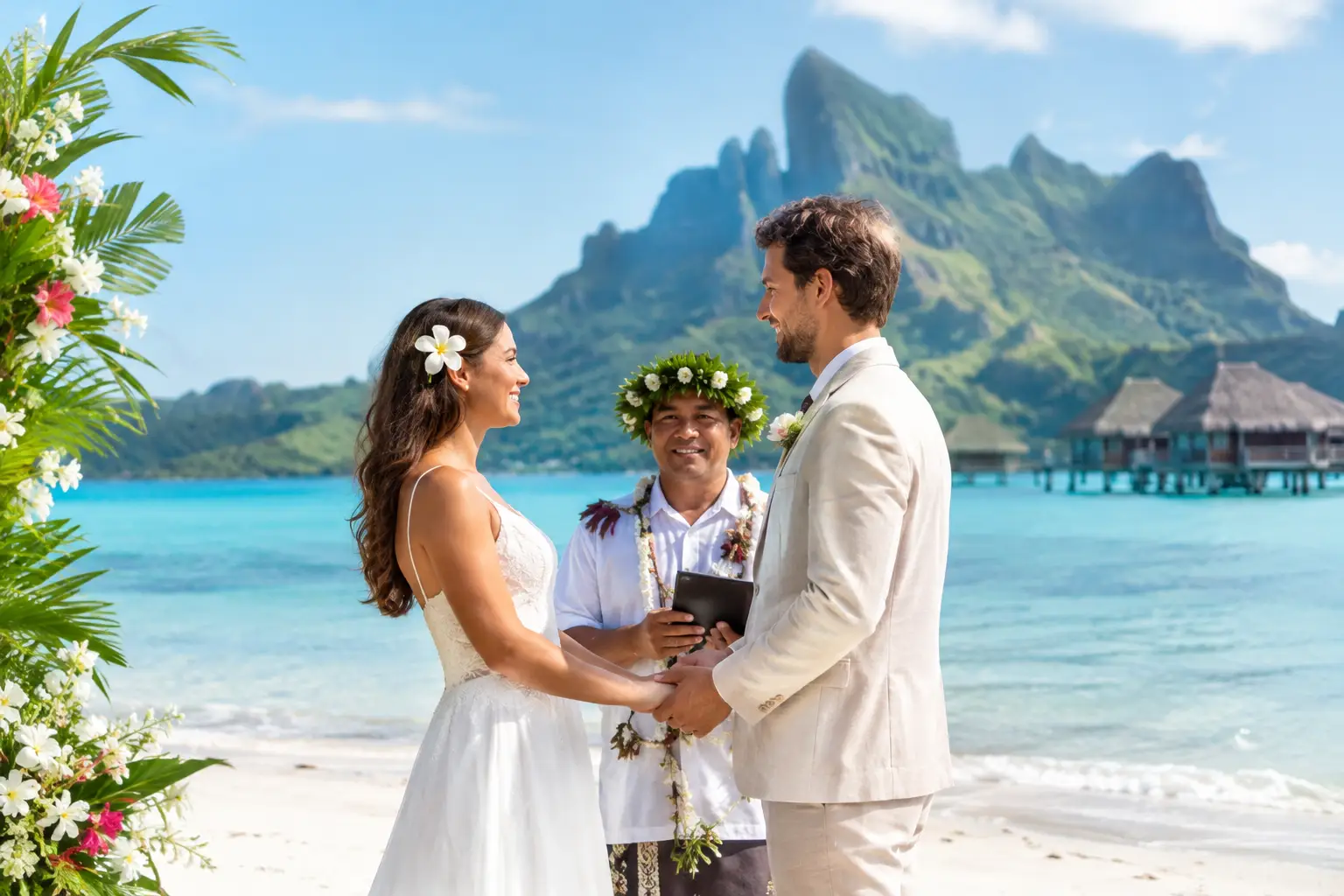
A Tahiti wedding can begin with bare feet in warm sand and end beneath a sky full of stars, but the legal portion happens well before the flower crowns, musicians, and lagoon-side champagne. For a legal destination wedding Tahiti experience, couples need to plan for two distinct moments: the French Polynesian civil ceremony that creates the marriage, and the resort celebration that makes it feel entirely your own.

That distinction is what turns an extraordinary island wedding into a marriage you can confidently bring home. With the right timeline, documentation, and resort team, the practical details do not diminish the romance. They protect it.

What makes a Tahiti wedding legally valid?

Tahiti is part of French Polynesia, an overseas collectivity of France. A legally binding marriage is performed in a civil ceremony by an authorized local official, generally through the town hall or mayor’s office for the commune where the ceremony is arranged. A symbolic ceremony at a resort, on the beach, or beside an overwater bungalow is deeply meaningful, but it is not usually the legal act on its own.

For American couples, a marriage legally completed in French Polynesia is generally recognized in the United States when it was validly performed under local law. Still, marriage recognition and any later name-change process can vary by state and personal circumstance. Couples should confirm their needs with the appropriate local authorities at home, particularly if one partner has been previously married, is changing a name, or has a unique immigration or estate-planning situation.

Same-sex couples can also legally marry in French Polynesia under French law. The paperwork and civil process should be reviewed well in advance with the local wedding coordinator handling the ceremony.

The timing matters as much as the setting

A legal wedding in Tahiti is not a trip to arrange a few weeks before departure. The civil authorities require time to review a complete marriage file and publish the required notice of marriage, known as the banns. While timelines and municipal procedures can change, couples should generally begin the legal planning process several months before travel and expect to submit documents well ahead of the wedding date.

Your resort or destination wedding coordinator will provide the current timetable for the specific commune. This is essential because a ceremony at a Bora Bora resort, for example, may involve different local logistics than a ceremony on Tahiti, Moorea, or another island. Island transfers, town hall hours, holidays, and the availability of officials all influence the final schedule.

For that reason, a legal ceremony works best when it is the anchor of the itinerary, not an add-on. Arrive with a cushion of time before the appointment. A few relaxed days on Tahiti or Moorea before the ceremony can be far more enjoyable than worrying about a delayed international flight or a missed inter-island connection.

Documents for a legal destination wedding in Tahiti

The exact document list is determined by the local town hall and the couple’s individual circumstances. Most American couples can expect to provide valid passports, recent long-form birth certificates, and evidence that they are free to marry. If either partner was previously married, divorce decrees or death certificates may also be required.

Documents frequently need to be certified, authenticated, translated into French, or accompanied by additional declarations. The rules may depend on where the documents were issued and whether they need an apostille. Do not assume that a document used for a U.S. marriage license will satisfy a French Polynesian civil authority. The format, date of issue, and translation requirements can be very specific.

A trusted wedding coordinator should give you a personalized checklist and review every item before it is sent onward. Keep originals and copies organized in a dedicated travel folder, and bring the requested originals with you. It is also wise to carry digital backups in secure storage, but electronic copies do not replace physical documents when an official requests them.

Why a resort coordinator is invaluable

The difference between a dreamy legal wedding and a stressful one often comes down to administration. A local coordinator can explain which documents require French translation, advise on submission dates, communicate with the town hall, arrange witnesses if needed, and schedule the civil ceremony around your resort events.

They can also help shape the experience around the required appointment. Perhaps you sign the legal documents earlier in the day, then exchange personal vows at sunset on a private motu. Or you may prefer a simple civil ceremony followed by a Polynesian blessing, traditional music, floral leis, and a private dinner on the beach. The legal details are handled with care, while the celebration still feels like paradise.

Choosing the right island and resort experience

Tahiti is often the arrival point for international flights and can be a practical place to complete a civil ceremony. It also offers dramatic black-sand beaches, lush mountains, and sophisticated resort settings close to Papeete. For couples drawn to quiet lagoons and a more intimate pace, Moorea offers a beautiful next chapter, with scenic peaks, beachfront villas, and easy access from Tahiti.

Bora Bora remains the iconic choice for a celebration after the paperwork is complete. Its crystal-clear lagoon, legendary Mount Otemanu views, and private overwater bungalows create an unforgettable setting for newlyweds. A wedding itinerary can also extend to Taha’a for vanilla-scented tranquility, Huahine for a more traditional Polynesian atmosphere, or the Tuamotu Islands for extraordinary diving and remote atoll beauty.

The right resort depends on the wedding size and the kind of privacy you want. A couple planning an elopement may value an intimate overwater bungalow, breakfast delivered by canoe, and a candlelit dinner for two. A larger group may need a property with multiple room categories, private event spaces, group dining options, and dependable transportation coordination.

Do not choose solely by photographs of the lagoon. Consider meal plans, guest transfers, inter-island baggage limits, villa capacity, accessibility, weather contingencies, and how far the ceremony location is from the accommodations. These details are where a specialist turns a beautiful idea into a trip that feels effortless.

Legal ceremony or symbolic ceremony: Which is right for you?

A legal Tahiti wedding is ideal for couples who want the emotional and official milestone to happen in the islands. It is especially appealing if you are comfortable committing time to document preparation and building a longer stay around the civil requirements.

A symbolic ceremony can be the better choice for couples who want greater flexibility. Many marry legally at home first, then hold the vows, rings, Polynesian blessing, and reception in French Polynesia without the pressure of international marriage paperwork. This route can also make planning easier for guests who are arriving on different flights or staying for only a few nights.

Neither choice is less romantic. The question is whether you want your legal anniversary to be the day you stand together on a Tahitian beach, or whether you prefer to reserve that moment entirely for the celebration. For some couples, signing papers quietly at home creates more freedom to be present in the islands. For others, the meaning of making it official in Tahiti is worth every document and deadline.

Build the wedding trip around the celebration

A destination wedding should give you time to be more than event hosts. Consider arriving on Tahiti, completing the legal appointment, then continuing to Moorea or Bora Bora for several unhurried nights as newlyweds. Guests can enjoy snorkeling, lagoon cruises, island tours, and spa time, while the couple has room for private dinners and quiet mornings over the water.

Airfare-inclusive packages can simplify the bigger picture by pairing international flights, inter-island arrangements, resort stays, transfers, meals, and selected amenities. South Pacific Vacations can help couples compare properties and build an itinerary that respects the civil timeline while leaving plenty of space for the magic: a flower-filled ceremony, the soft rhythm of Polynesian drums, and your first sunrise as a married couple over the lagoon.

Start the paperwork early, then give yourselves permission to savor the reason you chose Tahiti in the first place. The legal ceremony may be carefully scheduled, but the memory should feel beautifully unhurried.

Fiji All Inclusive Honeymoon Resorts Worth It?

Fiji All Inclusive Honeymoon Resorts Worth It?

The right Fiji honeymoon begins long before you step onto a palm-fringed beach. It begins with choosing an island experience that feels effortless once you arrive. Fiji all inclusive honeymoon resorts can bundle the details that matter most to newlyweds – beautiful accommodations, daily dining, inter-island transfers, and memorable experiences – so your time is spent in the lagoon, not comparing bills or arranging boats.

Fiji is especially rewarding for couples who want more than a pretty room. It offers private-island intimacy, warm Fijian hospitality, coral gardens just offshore, and a wonderful range of stays, from polished adults-only retreats to barefoot luxury hideaways. The key is understanding what “all inclusive” means in Fiji, then selecting a resort and package that match the honeymoon you have imagined.

What All Inclusive Means at Fiji Honeymoon Resorts

Fiji does not always follow the traditional Caribbean all-inclusive model, where virtually every meal, drink, and activity is automatically included. Instead, many of the most romantic Fiji resorts offer generous meal plans and honeymoon packages that can include breakfast, lunch, dinner, selected beverages, non-motorized watersports, airport transfers, and special amenities for the couple.

That difference is worth embracing. A thoughtfully designed Fiji package lets you pay for the parts of the trip you truly want while preserving the freedom to add a private sandbar picnic, a dive excursion, or a decadent couples massage. At smaller private-island resorts, meals may be included because there are no outside restaurants to visit. On larger islands, a breakfast-only or half-board plan can make more sense for couples who want to sample different dining venues.

Before booking, look closely at what is covered. International airfare from the United States, overnight airport arrangements if needed, domestic Fiji flights or boat transfers, resort meals, beverages, activities, taxes, and honeymoon bonuses can all affect the true value of a package. A lower nightly room rate is not always the better honeymoon price if every transfer and dinner is added later.

The Best Fiji All Inclusive Honeymoon Resorts for Different Couples

The best resort is not necessarily the most famous one. It is the one that fits your preferred pace, accommodation style, and comfort with travel time after landing in Nadi.

For overwater bungalow romance: Likuliku Lagoon Resort

Likuliku Lagoon Resort is one of Fiji’s most celebrated honeymoon choices, particularly for couples dreaming of an authentic overwater bure. Set in the Mamanuca Islands, this adults-only retreat pairs dramatic volcanic scenery with a protected lagoon and a refined, deeply romantic atmosphere.

Its overwater bures are designed for privacy, with direct lagoon access and a distinctly Fijian sense of place. Couples can spend slow mornings on their deck, snorkel among colorful fish, and return for elegant island dining at sunset. Likuliku is ideal when the accommodation itself is central to the honeymoon story.

Because this is a luxury experience, it is especially valuable to compare packages that combine accommodations, meals, transfers, and honeymoon inclusions rather than booking each component individually.

For adults-only privacy: Tokoriki Island Resort

Tokoriki Island Resort offers a polished adults-only setting in the Mamanucas, with beachfront and pool villa accommodations that feel made for long, unhurried days together. Many villas feature private pools, outdoor living space, and views that place the Pacific front and center.

This is a strong choice for couples who want romance without sacrificing service, dining quality, or the option to enjoy a spa afternoon. It is less about nightlife and more about lingering over dinner, taking a guided snorkel, or having champagne delivered as the sky turns pink. Meal plans and resort promotions can make a meaningful difference here, particularly for travelers who prefer to know their dining costs in advance.

For barefoot luxury and a true escape: Yasawa Island Resort

For couples who picture an uncrowded beach with very few footprints beyond their own, Yasawa Island Resort is a standout. Reached by scenic aircraft, it sits in a more remote region of Fiji, where limestone peaks, impossibly blue water, and long stretches of sand set the tone.

The resort’s approach to inclusions often suits honeymooners beautifully, with dining and select activities forming part of the experience. Think snorkeling, kayaking, sailing, and secluded beach moments rather than a schedule packed with attractions. The trade-off is that the journey takes more planning and the setting is intentionally removed from the bustle of Nadi. For many couples, that is exactly the point.

For a boutique island hideaway: Royal Davui Island Resort

Royal Davui Island Resort is another adults-only option, designed for couples seeking a small-scale and intimate stay. Located in the Beqa Lagoon area, it offers a more boutique feeling than a large international resort, with villas positioned to create a sense of seclusion.

This is an excellent fit for divers, snorkelers, and couples who want their honeymoon to feel quiet and personal. It may be less suited to travelers who want multiple restaurants, a social pool scene, or a packed calendar of entertainment. With a meal-inclusive package, however, its intimate setting becomes wonderfully easy to enjoy.

Choose Your Island Before You Choose Your Room

Fiji has more than 300 islands, and the location shapes the honeymoon as much as the resort itself. The Mamanuca Islands are popular for their accessibility from Nadi, clear lagoons, and excellent choice of luxury resorts. They work well for couples who want a smooth arrival day and a classic South Pacific setting.

The Yasawa Islands feel farther away, with wilder scenery and a stronger sense of being off the map. They reward travelers who are willing to take a seaplane or longer boat transfer for greater privacy. The Coral Coast and Denarau areas on Viti Levu can be easier for couples who want larger resorts, golf, more dining options, or a lower overall package price.

There is no wrong choice, but there is a meaningful difference between a resort that is 25 minutes by boat from the airport and one reached by a scenic flight. Consider how much travel you want after a long international journey, especially if you are arriving from the East Coast or Midwest.

What Makes a Fiji Honeymoon Package Feel Special

A room and a meal plan are only the foundation. The best honeymoon packages include the moments you would not necessarily arrange for yourselves after a busy wedding season: a bottle of sparkling wine on arrival, a private beachfront dinner, a couples massage, breakfast served in your villa, or a complimentary night through a limited-time offer.

Ask whether honeymoon amenities require a marriage certificate and whether there is a deadline after your wedding date. Resorts commonly have specific eligibility rules, and these can vary. It is also wise to confirm whether the package includes shared or private transfers, as a private speedboat transfer can be a lovely upgrade for couples who value a quieter start to the trip.

For a longer honeymoon, consider pairing two styles of resort. Start with a lively, easy-to-reach Mamanuca island for lagoon activities, then finish at a more secluded island retreat. The contrast makes each stay feel fresh, and it gives you both adventure and stillness without needing to compromise.

When an All Inclusive Fiji Honeymoon Is the Right Choice

An inclusive Fiji honeymoon is particularly appealing for couples who want price clarity and minimal decision-making during their stay. It can also be excellent value at private-island resorts where dining options are intentionally limited and daily meals would be part of your plans anyway.

It may be less essential for couples staying near multiple restaurants or those who prefer to explore independently every day. If cocktails, premium wines, spa treatments, private dining, and diving are important to you, ask for a realistic estimate of those additions. A package with daily meals but not alcoholic beverages can still be ideal, as long as you know what to expect.

The most memorable Fiji honeymoon is not defined by how many inclusions appear on a page. It is defined by the feeling of arriving at a place where every detail has been considered: the transfer waiting at the airport, the villa that suits your style, the meals you will look forward to, and enough open time to simply enjoy being newly married. A Fiji specialist at South Pacific Vacations can help turn that vision into a package built around the island, resort, and inclusions that feel right for the two of you.

Bora Bora Free Night Deals Worth Booking

Bora Bora Free Night Deals Worth Booking

A Bora Bora itinerary changes when your final nights are complimentary. Instead of choosing between a longer stay and a more spectacular bungalow, Bora Bora free night deals can make room for both: one more slow breakfast over the lagoon, one more sunset cruise, or simply another unhurried day together in paradise.

For honeymoons, anniversaries, and milestone escapes, these promotions are often among the most meaningful values available at French Polynesia’s celebrated resorts. They are not interchangeable, though. The right offer depends on your travel dates, villa category, resort, length of stay, and whether the package is built around airfare from Los Angeles or another US gateway. A knowledgeable package can turn a tempting resort special into a trip that truly works from departure to return.

How Bora Bora Free Night Deals Work

A free-night offer generally rewards a longer stay. A resort may offer a fourth night free after three paid nights, or a fifth night free after four, within selected travel periods. In a destination where every night can be a major part of the vacation investment, that additional night may represent significant value.

The promotion is usually calculated on the accommodation rate, not on every element of a vacation package. International airfare, inter-island flights, transfers, meals, taxes, and excursions may still be priced separately unless the package specifically includes them. That distinction matters. A lower room total is wonderful, but couples should look at the complete itinerary before comparing offers.

Resorts also set their own rules. The complimentary night may apply only to certain room categories, such as a beach bungalow, garden villa, or select overwater bungalow. Blackout dates can apply around holidays and peak school vacation periods. Some promotions require consecutive nights, while others may be combined with honeymoon amenities or a resort credit. It depends on the property and the dates.

The value is often time, not just a discount

Bora Bora is not a destination that needs to be rushed. The journey from the United States is substantial, and most travelers connect through Tahiti before taking the short domestic flight into Bora Bora’s dazzling lagoon. Arriving at your resort by boat is part of the magic, but it also makes a two- or three-night visit feel brief.

A free night can make a five- or six-night Bora Bora stay possible without pushing the trip beyond the intended budget. That changes the pace. You can plan a private lagoon excursion one day, enjoy a couples’ massage the next, and still leave room for completely unscheduled time on your private terrace. For a honeymoon, that breathing room is often the greatest luxury.

When to Find the Best Bora Bora Free Night Deals

Free-night promotions often appear in travel periods when resorts want to encourage longer stays, particularly outside the highest-demand holiday weeks. This does not mean the weather is suddenly unsuitable. Bora Bora remains beautifully tropical year-round, with conditions and rainfall patterns that vary by season.

The drier months from roughly May through October are especially popular for honeymoons because of their pleasant temperatures and lower humidity. These months can book early, especially for highly requested overwater bungalow categories. Promotions may still be available, but flexibility with exact dates and bungalow type becomes more valuable.

The greener season, generally November through April, can bring warmer temperatures and occasional tropical showers. It can also offer attractive resort values and a quieter feel. Rainfall is not an all-day certainty, and the lagoon retains its remarkable color. Couples who can travel with an open mind may find that a free-night offer stretches farther during these months.

Booking well ahead is wise for travel over summer, festive dates, or the following year’s honeymoon season. The best deal is rarely the last room offered at a resort. It is the combination of a promotion, flights that fit your schedule, and an accommodation category you will be excited to come home to every evening.

Which Bora Bora Stay Makes the Promotion More Meaningful?

A complimentary night has different appeal in different accommodations. An overwater bungalow is iconic for good reason: direct lagoon access, glass viewing panels, expansive decks, and a sense of privacy that feels designed for two. If the free night applies to that category, it can be an exceptional opportunity to extend the experience travelers picture when they imagine Bora Bora.

But an overwater stay is not automatically the best fit for every couple. Beach villas may offer more outdoor living space, a private plunge pool, or easier access to a stretch of sand. Garden accommodations can create a more value-conscious path to enjoying a premier resort, leaving room in the budget for dining, diving, or a multi-island itinerary.

There is also the question of location. Some Bora Bora resorts sit on motus, small islets facing Mount Otemanu across the lagoon, with panoramic views and boat transfers to the main island. Others offer a different balance of beach, views, restaurants, and access. A free night should enhance the style of stay you want, rather than persuade you into a room category that does not suit your trip.

Consider a split stay with intention

For some couples, the strongest value is not spending every night in one place. A Bora Bora free-night promotion can be paired with time on Tahiti, Moorea, Taha’a, or another island, creating a more textured French Polynesian escape.

Moorea offers lush peaks, a relaxed island rhythm, and beautiful lagoon scenery. Taha’a feels more remote and fragrant, known for vanilla and a deeply intimate atmosphere. Beginning with an island that invites exploration and ending in Bora Bora can make the final nights feel like a grand romantic finale. The logistics require careful planning, including flight schedules and boat transfers, which is why a coordinated package is especially helpful.

What to Check Before You Reserve

Before falling in love with the words “free night,” confirm the offer’s exact terms. Ask whether the advertised rate reflects the promotion already, which dates qualify, and whether it applies to your preferred bungalow category. Find out whether the resort’s compulsory taxes and service charges are included in the quote.

Then look at what surrounds the room rate. A thoughtfully designed Bora Bora package may include international airfare, inter-island air, airport and resort transfers, daily breakfast or a meal plan, and romantic amenities for qualifying honeymooners. Depending on the resort, you may also find a food-and-beverage credit, spa benefit, or a special welcome amenity. These inclusions can be more useful than a headline savings figure because they reduce the number of decisions and surprise costs waiting on the island.

Be candid about your priorities. If a private plunge pool matters more than being directly over the water, say so. If you want to dine at several restaurants but do not want a full meal plan, that shapes the recommendation. If you are celebrating a wedding anniversary and would rather spend on a private dinner than an upgraded transfer, your itinerary should reflect that.

South Pacific Vacations can help compare promotions across resorts while building the practical pieces around them. That is particularly valuable when a free-night special has a narrow booking window, requires a minimum stay, or needs to be combined with airfare that is not yet confirmed.

A Better Way to Measure the Deal

The most attractive Bora Bora offer is not always the one with the largest stated percentage off. Consider the cost per meaningful day of the trip. A four-night offer may look less dramatic than a five-night offer, yet it could match better-priced flights, include breakfast, and leave room for the excursion you most want to share.

Likewise, do not judge a complimentary night in isolation. If adding one paid night makes you eligible for a free one, the added investment may be worthwhile when it creates a more relaxed itinerary. If you only have limited vacation time, a shorter stay in the bungalow you truly want may be the wiser choice.

Bora Bora is a place for lingering: coffee on the deck while the lagoon wakes up, an afternoon swim before dinner, and the soft glow of Mount Otemanu after sunset. When a free-night deal gives you more time for those moments, it is doing exactly what a great romantic vacation offer should do.